
Show Your Roots
and other lessons from bonsai

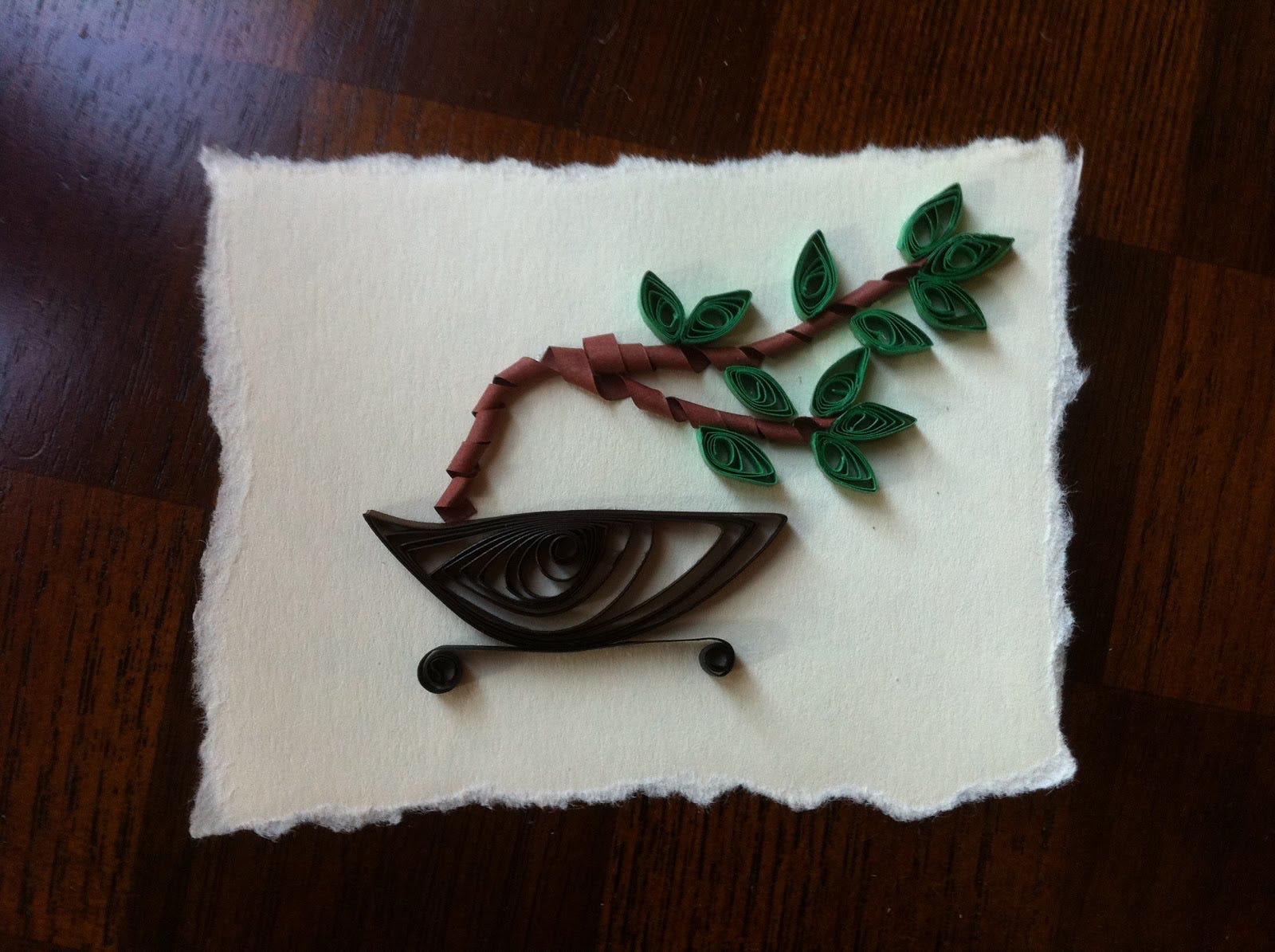
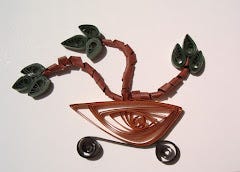
I’ve always been fascinated by the minimalist nature of bonsai art. During my quilling days, when my hands were more nimble and not arthritic, I fashioned bonsai from paper strips.
I love visiting the bonsai gardens at the Japanese Friendship Garden in Balboa Park and the San Diego Wild Animal Park, which I still have a hard time referring to as the Safari Park.
When a bonsai class became available at the Poway Adult School, I signed up as soon as I could. We started with a small boxwood plant, and using chopsticks, we loosened the soil to expose the nebari, or the surface roots.
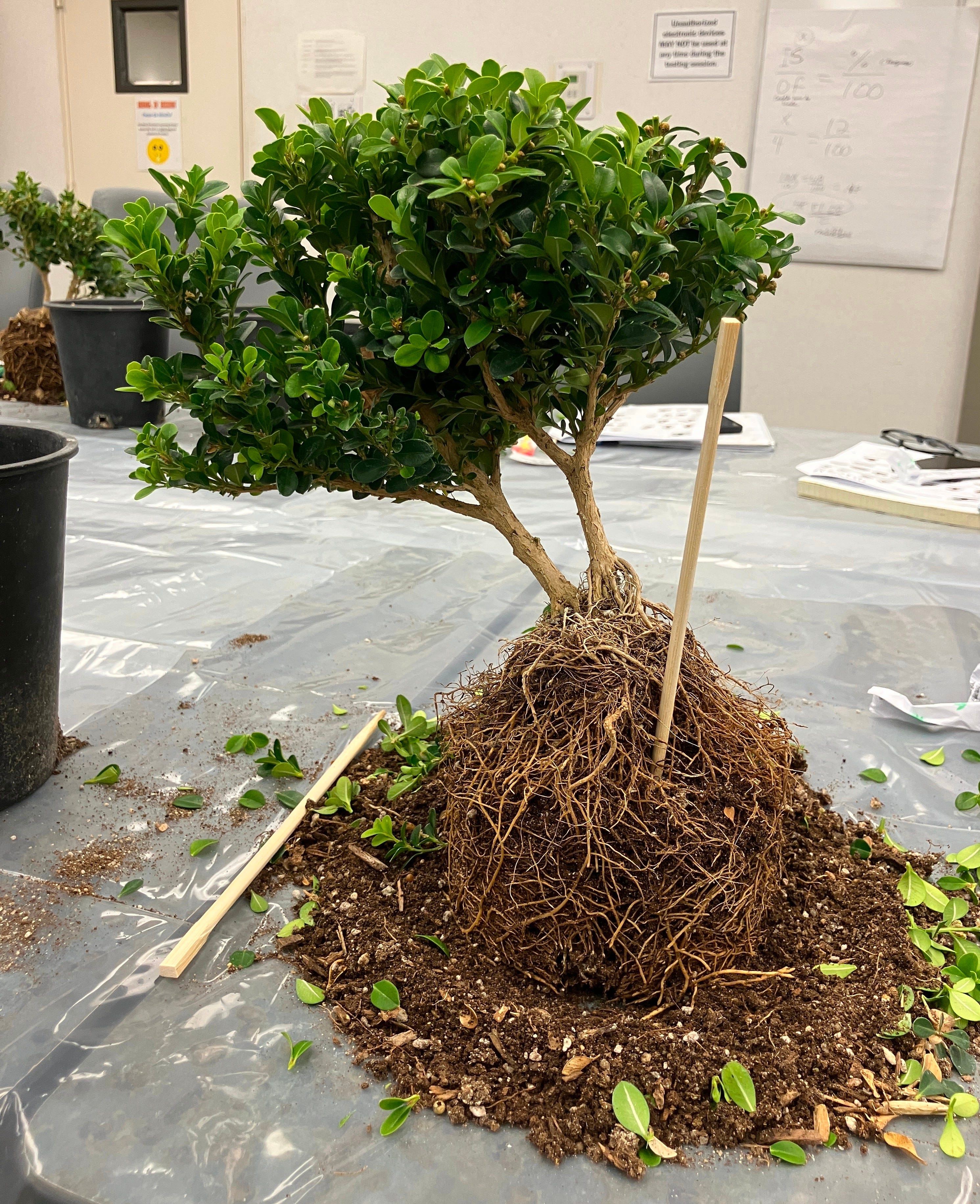
Once exposed, the instructor helped me decide which was the best side to present as the front.
Next, I trimmed the lower branches to create the illusion of a small tree trunk. Then, I topped off the leaves and trimmed any that were pointing downward.
I repotted the plant with bonsai soil and food. I decided to tilt mine so that the leaves cascade to one side. I enjoyed the class. In the spring, we will return with the same plant to learn about wiring and training the branches.
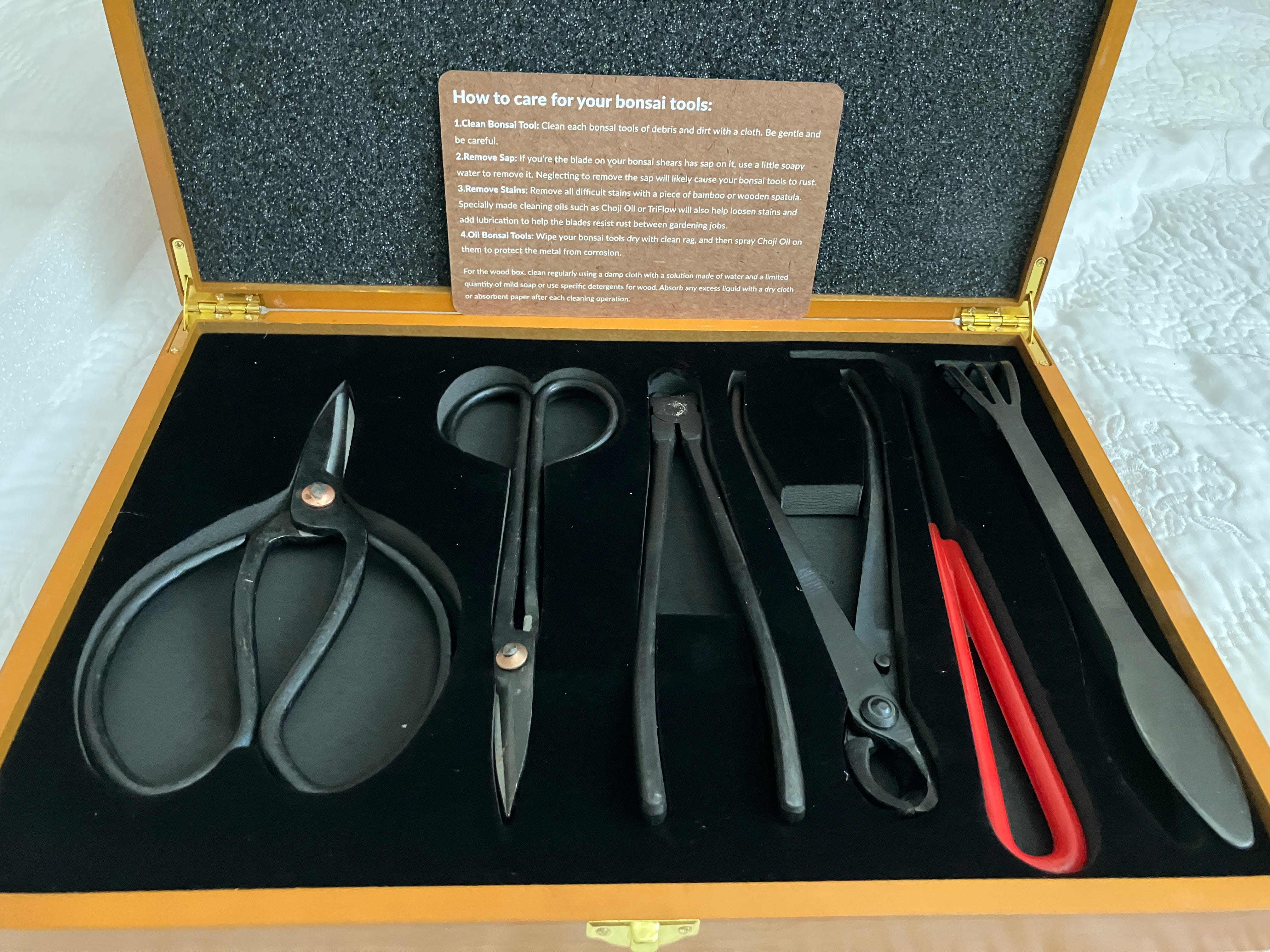
I took the class because I received a set of tools for my last birthday, and didn’t know the proper way to use them. I've been bombarded with bonsai how-tos on social media, and I'm unsure which advice to follow. I needed some hands-on instruction.
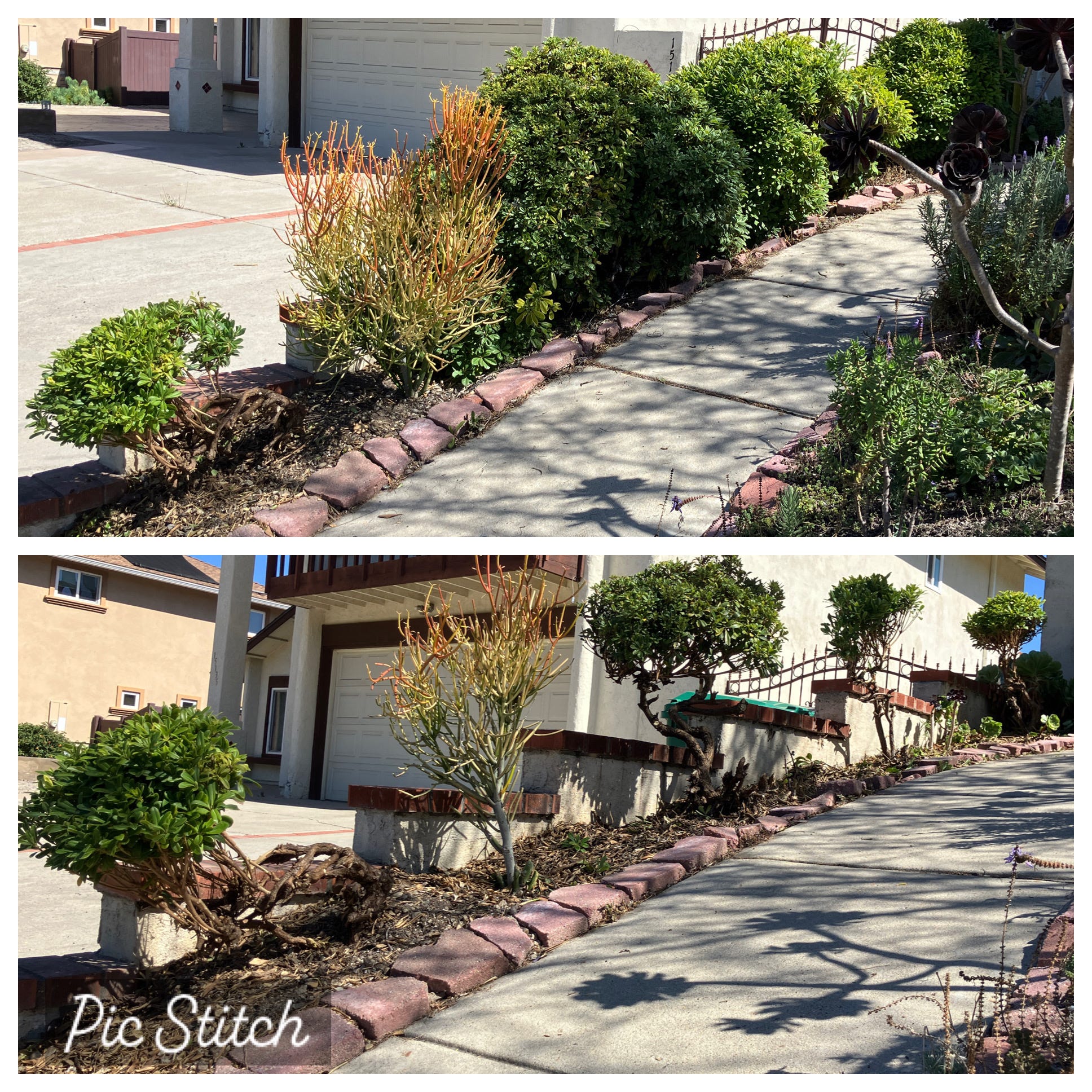
When one has a new set of scissors, every plant in the garden suddenly seems to have bonsai potential. I began to notice amorphous bushes, such as the one lining my walkway. I tried my hand with the one closest to the pavement, and snipped away.
I lopped off the lower branches, and soon its shape revealed itself to me. I experienced the peacefulness that comes from focusing on only one thing. Soon, I filled a whole greenery bin.
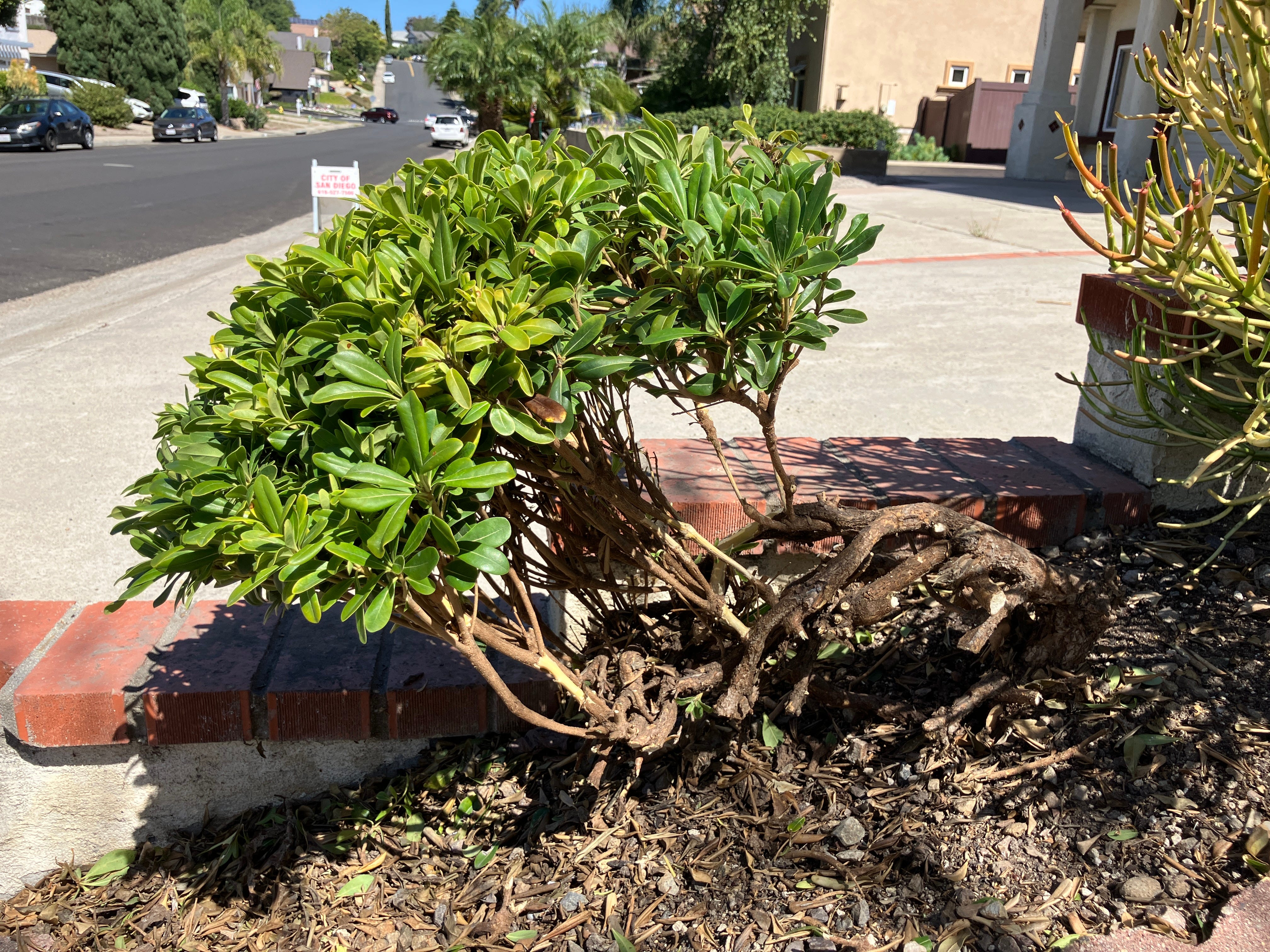
Here’s the preliminary shape, showing a trunk cascading down the walkway at an angle towards the pavement. I admired it for a long time, imagining the feeling I get when I leave a salon in the summer, after asking my hairstylist to chop off my long locks and give me a sporty bob.
I was heartened and worked on the other bushes. Here’s the before and after:
Lessons from a bonsai:
As I worked on the branches, I paralleled the process with my life.
Dig around and show your roots.
Since 2020, I’ve been digging for family stories. I conducted oral interviews once it was safe to remove masks during the pandemic. I researched to verify the timeline and accuracy of handed-down lore. The stories the family shared with me formed the basis of this Substack and other works.
Weed out the excess.
During Lent each year, I typically give up something—such as soda, fatty foods, donuts, or watching TV. I became fascinated with minimalism and have espoused many practices that decrease clutter. Sometimes, it backfires, as when I donated most of my books and then became despondent over the separation. I realized that I didn’t have to give up everything, only the things that don’t add value to my life.
Like the bonsai, weeding out the excess makes things more interesting.
There is beauty in struggle.
The curvatures of bonsai reflect that life does not happen in a straight line. Like the trunk, our struggles shape our character. With age, we gain more experience and learn to appreciate ourselves. Things that bothered us when we were younger no longer matter.
Recommended Links:
Japanese Friendship Garden and Museum
San Diego Safari Park Bonsai Pavilion
Beautiful, Rachielle! And I always love a good series of metaphors for life and creativity!